
No Rest for the Wicked Guide: Builds, Boss Prep, Co-op and the Road to 1.0
A spoiler-light No Rest for the Wicked field guide with beginner routes, combat habits, build direction, Sacrament priorities, co-op advice, PC settings and a verified release timeline.
 Official screenshot © Moon Studios
No Rest for the Wicked is still in Early Access on PC, not a beta, and Moon Studios has announced the full 1.0 launch for October 2026 on PC and PlayStation 5. Play now if you enjoy deliberate combat, experimentation and a world still being tuned. Wait for 1.0 if you want the final story arc, the new class and progression system, broader endgame and fewer moving parts.
From rough launch build to the road to 1.0.
This timeline separates shipped updates from promises. The October 2026 launch month is official; the exact day is still unannounced as of 2 September 2026.
-
PCEarly Access begins
The first public Steam build established the campaign, Sacrament, housing, crafting and precision-combat foundation.
-
Content updateThe Crucible
A repeatable roguelite-style dungeon and the first major post-launch content step.
-
Expansion updateThe Breach
New quests, story scenes, areas, enemies, bosses, plague endgame systems and extensive performance work.
-
RefinementThe Breach Refined
A broad follow-up pass shaped by Early Access feedback and live-game data.
-
MultiplayerTogether
Free private persistent realms brought the game into four-player co-op while keeping solo play intact.
-
Systems updateTogether Patch 1
PvP duels, text chat, callouts, the Realm Diary, Comfort System changes and another balance pass.
-
Announced nextFull version 1.0
PC and PS5 launch with the final story arc, new class and progression systems, expanded regions and endgame, plus cross-play and cross-save.
Isola Sacra, without fake screenshots.
Official Moon Studios screenshots from the current Steam media set. Rights remain with Moon Studios.
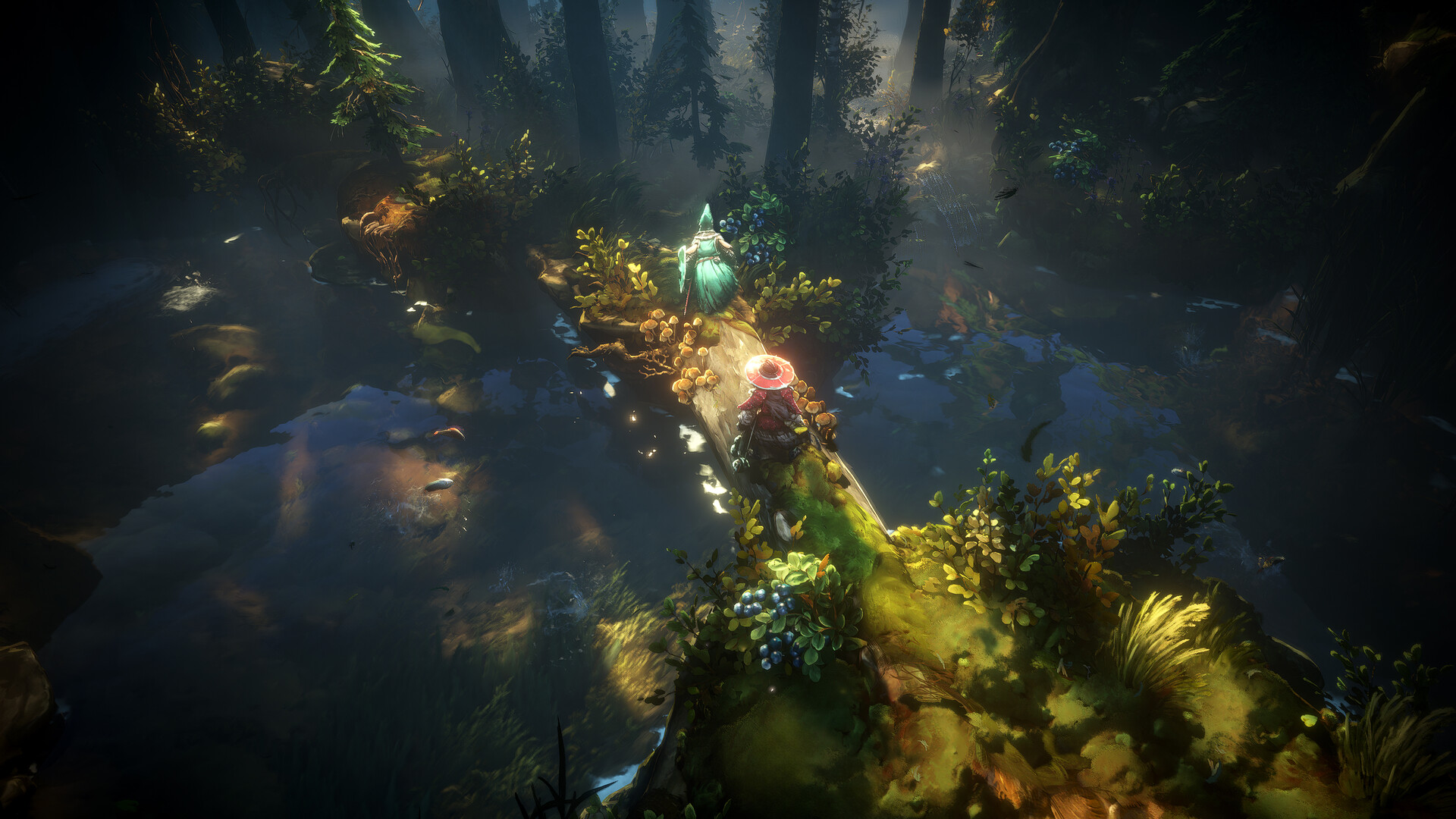
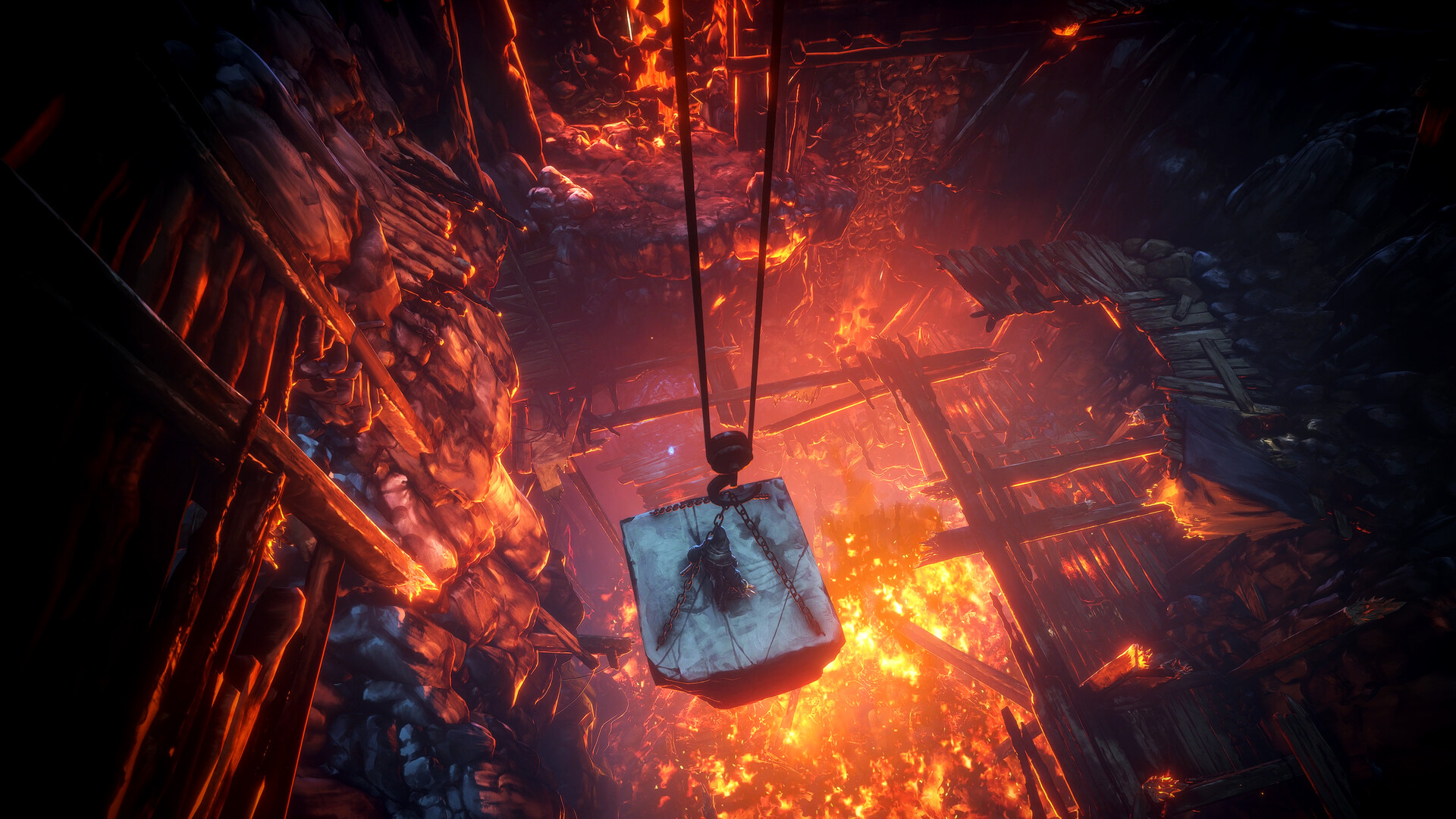
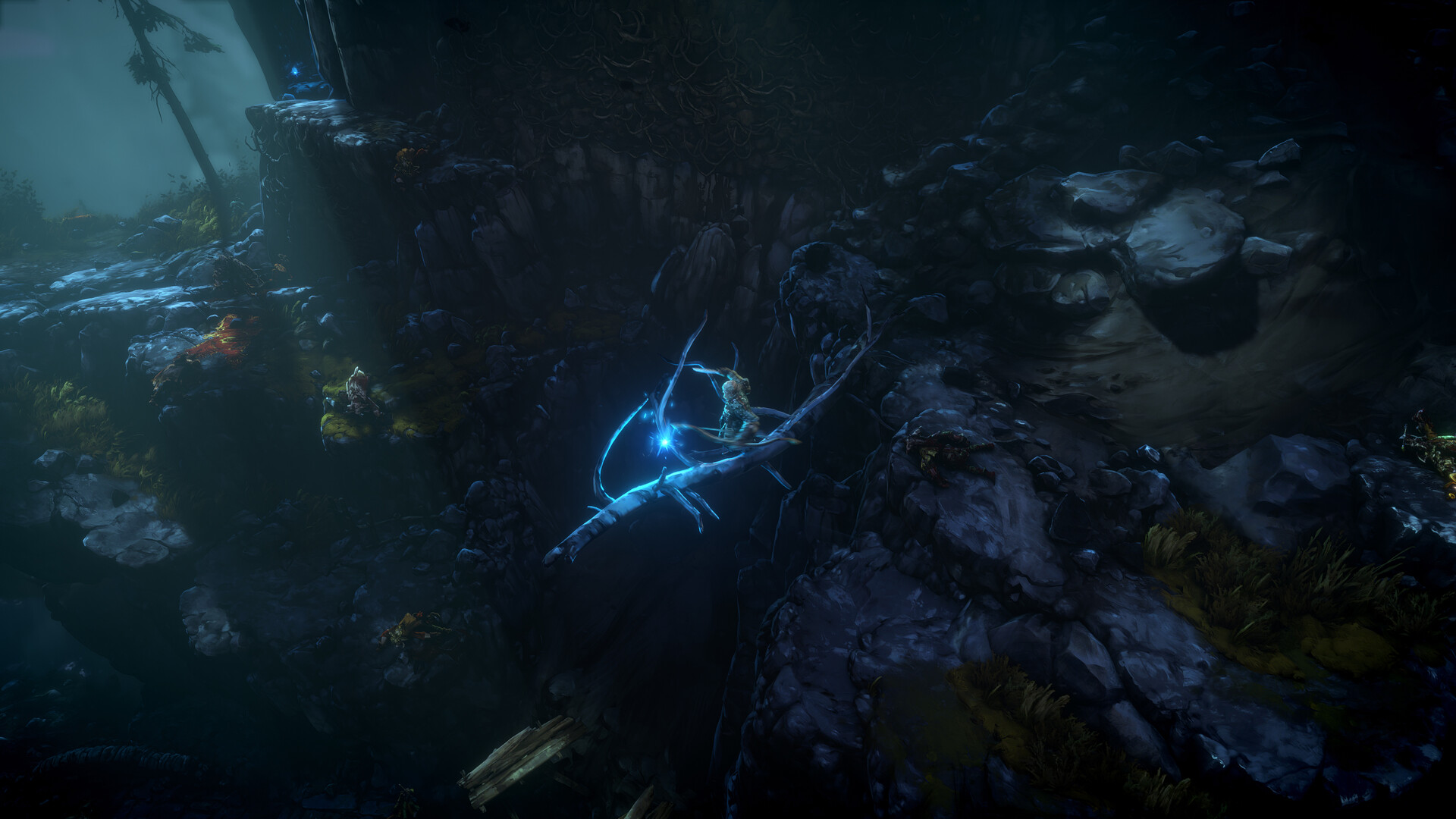
Status, platforms, update dates, co-op scope, announced 1.0 features and PC requirements were checked against Moon Studios' official site, official forum and Steam listing on 2 September 2026. Tips are deliberately system-level and spoiler-light because balance, builds and progression can change at 1.0.
I chose the topic, scope and source list, and I am responsible for publishing corrections. Automation and AI can help with research sorting, first-draft structure and repetitive formatting. Facts, prices and claims must still trace back to the sources shown on the page. This is not labelled as a hands-on product review.
A shorter combo plus one safe dodge beats a perfect damage plan you cannot survive.
Upgrade the weapon you can control, not the rarest item in the backpack.
Persistent realms work better when story progress, storage and scarce materials have owners.
October brings the final story arc and a new class and progression system.
Start here: your first 90 minutes
Wicked punishes the usual action-RPG habit of sprinting into every pack and expecting potion spam to erase the mistake. Its opening is easier when treated like a field exercise: learn one weapon, read one enemy at a time and bank small advantages before chasing rare loot.
Do not turn the opening beach into a completionist sweep. Reach useful checkpoints, open shortcuts and get the basic town loop moving. You can return with more health, better tools and a clearer map.
| Time | Priority | What good progress looks like |
|---|---|---|
| 0-20 min | Learn one moveset | Test the light chain, charged attack, sprint attack, dodge recovery and stamina cost before investing around the weapon. |
| 20-45 min | Open the route | Touch Whispers, lower ladders, notice climbable edges and stop fighting when the route itself is the reward. |
| 45-70 min | Stabilise supplies | Keep food, repair before a long push and sort materials from gear you actually intend to use. |
| 70-90 min | Prepare, then commit | Spend your level deliberately, reduce excess equipment weight and enter the next serious fight with a simple plan. |
- Touch every Whisper you pass; a forgotten checkpoint turns one failed boss attempt into a long commute.
- Try a weapon's complete moveset before treating its colour or damage number as an upgrade.
- Keep a small reserve of cooked healing food instead of consuming every ingredient separately.
- Open shortcuts when you see them. A ladder is permanent progress even when the loot behind it is ordinary.
Combat: win the stamina exchange
Most early deaths are not a damage problem. They happen because the player spends the last slice of stamina attacking, then has nothing left for the enemy's answer. End your turn with enough stamina to leave. That single rule is worth more than a lucky weapon drop.
Wicked's animation language is readable but intentionally weighty. Pressing the next attack early can commit you to it. Use shorter strings until you know which enemies stagger, which armour through a hit and which deliberately delay the final swing.
| Situation | Default response | Common mistake |
|---|---|---|
| New normal enemy | Circle, watch one full sequence, punish the finish | Opening with the longest combo before seeing its reach |
| Crowded room | Back out and pull the edge of the group | Locking onto the centre target and losing the exits |
| Shielded enemy | Use position, charged pressure, a rune or a clean parry | Bouncing light attacks until stamina is empty |
| Boss at low health | Repeat the safe punish you already proved | Inventing an all-in combo because the health bar looks close |
- Dodge for position, not just invulnerability. Finishing behind or beside an enemy creates the next safe action.
- Parry practice belongs on an enemy whose run-back is short. It is a tool, not an entrance exam.
- Camera angle can hide a second attacker. Break lock-on when spatial awareness matters more than precision.
- Heal after creating distance or a knockdown. Food is not a panic button if the animation can be punished.
Build direction without wasting early levels
Do not copy a final-build spreadsheet before you own the weapon that makes it work. Early on, meet the requirements of one moveset you genuinely like, then buy survivability and stamina comfort. A build that survives long enough to learn is better than a theoretical damage ceiling.
Weapon scaling, rune behaviour, facets and enchantment outliers have all been balance targets during Early Access. Treat the archetypes below as durable play styles, not patch-proof recipes.
| Direction | Feels like | Early priority | Watch for |
|---|---|---|---|
| Strength and heavy weapons | Slow commitment, high impact and strong stagger pressure | Health, stamina and enough equip load to keep the movement class you want | Spending every stamina point on one ambitious string |
| Dexterity and fast weapons | Short openings, quick repositioning and repeated pressure | Stamina discipline and a weapon whose full chain stays controllable | Mistaking more button presses for a safer turn |
| Intelligence or Faith tools | Rune-led control, elemental options and Focus management | A reliable basic attack plus enough Focus economy to use the build's identity | Becoming helpless when Focus is empty |
| Shielded generalist | Measured defence, guard counters and forgiving exploration | Stamina, poise awareness and a one-handed moveset you trust | Holding block through attacks that should be dodged or parried |
- Keep one dependable weapon upgraded instead of feeding scarce materials to every interesting drop.
- Equip load changes how movement feels; compare the actual dodge before accepting a heavier piece as an upgrade.
- A rune should solve a real problem: gap closing, crowd control, stagger, range or safe burst.
- Re-check item text after major patches. Old build videos may describe numbers or interactions that no longer exist.
Ten things the game barely explains
Wicked is happiest when the player notices systems instead of following a glowing checklist. These are the small habits that make the whole game less abrasive without spoiling a quest or boss reveal.
- Whispers are route infrastructure. Activate them even when you do not plan to travel immediately.
- Ladders, ropes and gates often matter more than the chest beside them because they permanently shorten future runs.
- The map is a hint, not a floor plan. Look behind foreground walls and above the apparent path.
- A weapon's sprinting, charged and dodge attacks can be more important than the standard combo.
- Food choice is part of boss preparation; carry a heal you can reproduce, not only a rare meal you are afraid to use.
- Upgrade the town services you return to. Convenience compounds across every later expedition.
- Keep crafting materials until you understand their upgrade lane; ordinary gear is easier to replace than a bottleneck material.
- Use Plague Ichor upgrades for the inventory pressure you actually feel rather than copying somebody else's order.
- Open your fight with information. One observed enemy sequence is cheaper than one repair bill.
- If a patch changes progression or realms, read the official note before loading an irreplaceable save and follow Moon Studios' current guidance.
Sacrament, crafting and housing priorities
Sacrament is not decoration around the combat game; it is the machine that makes later combat less wasteful. City projects improve vendors and services, while housing gives the collection and crafting loop a practical home. Invest in the friction you encounter every session.
The trap is upgrading everything evenly because every project looks useful. Pick the service that supports your current loop, complete it, then start the next one. A finished upgrade helps now; three half-funded projects do not.
| If this slows you down | Prioritise | Why |
|---|---|---|
| Food supply | Cooking access and the merchant chain that supports repeatable meals | Reliable healing turns exploration into practice instead of resource anxiety. |
| Upgrade bottlenecks | The relevant town crafter and material route | One well-supported weapon carries farther than a bag of unfinished experiments. |
| Inventory clutter | Storage and a simple keep/sell/salvage rule | Less sorting means more time learning routes and encounters. |
| Shared-realm confusion | Labelled chests and agreed ownership | Co-op generosity works only when quest items and build pieces do not vanish into one pile. |
Co-op realms: agree on the rules before the first boss
Together uses private persistent realms rather than a disposable drop-in lobby. Citizens can shape the same world, use shared storage and make progress while others are offline. That is the appeal, and also why a ten-second agreement prevents hours of confusion.
Decide who owns the realm, whether story steps wait for the group, which chests are communal and which materials are reserved for a build. Use the Realm Diary and text chat as a handover, not as decoration.
- Create a shared-material chest, a free-gear chest and personal storage. Three rules beat one giant mystery box.
- Call targets and retreat directions; four players attacking four enemies can be less safe than a disciplined pair.
- Trade weapons around so the right scaling and moveset reach the player who will actually use them.
- Do story-critical sessions together if anyone cares about seeing discoveries in order.
- Duels are for practice as much as bragging rights: test spacing, parry timing and weapon reach without normal durability loss when the duel resolves correctly.
Spoiler-light boss preparation
A good boss attempt begins in town. Repair, choose food you will actually consume, remove experimental gear and confirm that your dodge still feels right. Then spend the first attempt learning the shape of the fight instead of trying to force a clear.
Separate recognition from execution. First identify the sequence that catches you. Then choose one response and practise only that response. When every failure produces one answer, the boss stops feeling random.
| Attempt | Goal | Success condition |
|---|---|---|
| 1 | See the moves | Recognise the longest combo and one safe healing window. |
| 2 | Test your spacing | Find which attacks can be walked around, dodged through or avoided entirely. |
| 3 | Prove one punish | Land the same safe response three times without extending the combo. |
| Clear attempt | Stay boring | Repeat the proven plan even when the boss is one hit from defeat. |
PC settings and performance without placebo tweaks
The Steam listing still requires an SSD and lists 16 GB RAM at minimum, with 32 GB recommended. Moon Studios has repeatedly changed streaming, culling, physics, garbage collection, VFX and upscaling during Early Access, so a settings guide that promises one magic toggle will age badly.
Start from a preset, test the same route for frame pacing, then change one expensive setting at a time. Use DLSS or FSR when image quality remains acceptable, cap the frame rate to a level the system can hold, and keep drivers current. Smooth delivery matters more here than a brief high counter because a hitch can erase a dodge input window.
| Official Steam listing | Minimum | Recommended |
|---|---|---|
| CPU | Intel Core i5-8400 / AMD Ryzen 5 2600 | Intel Core i7-11700K / AMD Ryzen 7 5800X |
| Memory | 16 GB RAM | 32 GB RAM |
| GPU | GeForce GTX 1080 / Radeon RX 5600 XT | GeForce RTX 2060 / Radeon RX 5700 XT |
| Storage | 46 GB available · SSD required | 46 GB available · SSD required |
- Benchmark a repeatable traversal route, not an empty room or the first ten seconds after loading.
- Watch frame-time consistency as well as average FPS.
- If performance falls after a patch, verify files and reset only the changed settings before applying internet tweaks.
- Treat the listed hardware as developer guidance, not a promise of a specific resolution, preset or frame rate.
Buy in Early Access or wait for 1.0?
This is no longer the thin April 2024 build. The Breach and Together made it a much broader game, and the current version already supports a substantial solo and shared-realm loop. It is still the wrong purchase for someone who wants the completed narrative and never wants a balance patch to disturb a build.
Moon Studios says 1.0 will add the final story arc, 15-plus handcrafted regions in the full game, a new class and progression system, expanded endgame, persistent multiplayer and cross-play/cross-save between PC and console. Those are material changes, not just a version number.
| Play now if | Wait for October if |
|---|---|
| You enjoy discovering systems while they are still being tuned. | You want the complete story and the launch progression system from the beginning. |
| You have friends ready to build a persistent realm together. | You dislike build rebalancing, patch churn or revisiting old advice. |
| The existing campaign, Crucible and plague/endgame loops are enough reason to start. | You are buying on PS5, or waiting for a confirmed Xbox or Switch 2 date. |
What this guide will re-check at launch
The October update is expected to change the advice most vulnerable to version drift: class structure, progression, endgame priorities, the complete region order and cross-platform realm behaviour. The core combat rules on this page should survive; exact build recipes probably will not.
When 1.0 receives an exact day and final patch notes, this page should be reviewed against the official launch post, Steam system requirements and the live build before changing any status language. Until then, every unshipped feature remains an announced plan, not something the current Early Access build is credited with delivering.
Gaming guide scope
This guide is written for players everywhere. Norway-specific retailer, warranty and price comparison advice belongs in the hardware buying guides, not in game tutorials.
FAQ
Is No Rest for the Wicked still in beta?
It is officially in Steam Early Access, not labelled as a beta. Moon Studios has announced that version 1.0 will launch in October 2026 on PC and PlayStation 5, with the exact day still unannounced when this guide was checked.
Can you play No Rest for the Wicked in co-op now?
Yes. The Together update added free private persistent realms for up to four players. Friends become citizens of the same realm and can keep shaping it even when other members are offline.
What is the best beginner build?
The safest beginner direction is a weapon moveset you understand, enough health and stamina to survive mistakes, and an equipment weight that keeps your preferred dodge. Commit to a damage-stat route after the weapon proves itself, not before.
Will Early Access saves work in version 1.0?
Do not assume save behaviour until Moon Studios publishes final launch guidance. Major Early Access updates have changed systems and save handling before, so check the official 1.0 notes before loading or migrating an important realm.
Is No Rest for the Wicked a Diablo-style ARPG or a Soulslike?
It borrows the isometric camera, loot and build experimentation of an ARPG, but combat is slower and more deliberate, with stamina, animation commitment, positioning, dodge timing and parries closer to a Soulslike rhythm.
Is No Rest for the Wicked coming to Xbox?
Moon Studios lists Xbox Series X|S as TBD. PC and PlayStation 5 are confirmed for the October 2026 version 1.0 launch; Nintendo Switch 2 is also listed as TBD.
Sources and methodology
I use official game documentation and patch notes first, then clearly identified community tools when they add something useful. This is source-backed guidance, not a claim that I personally tested every weapon, map or patch.
- Moon Studios: version 1.0 launch month and platform details
- Official Steam store page and current system requirements
- Moon Studios: Together co-op design and persistent realms
- Moon Studios: The Crucible update
- Official forum: The Breach patch notes
- Official forum: Together Patch 1 notes
- Official forum: Together Hotfix 9 save guidance
- Official forum: current patch-notes index